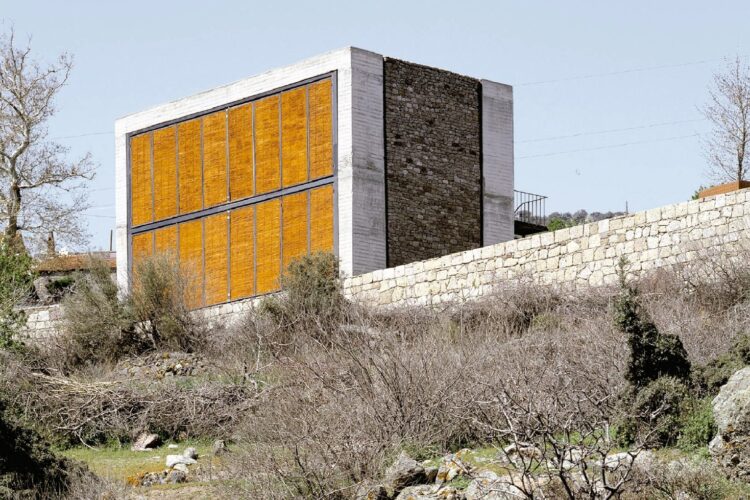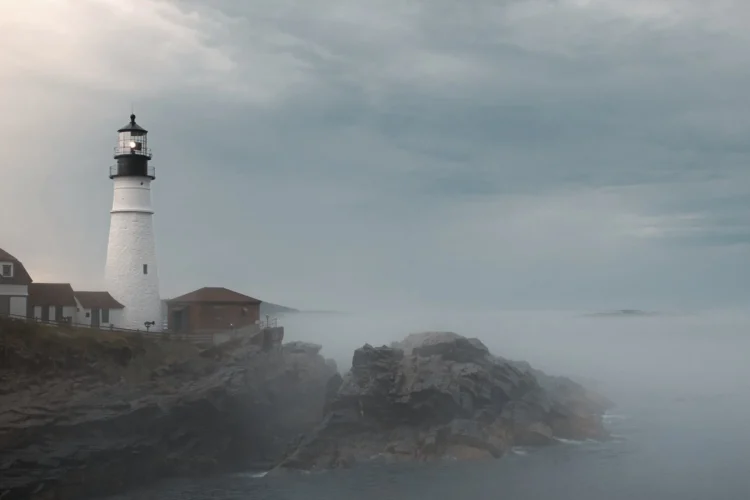
Two residences on the Aegean coast, two different water problems, and the same question for an owner who is not there: what is actually happening?
When you leave at the end of summer, everything can look in order. The pool is clean, the garden is kept, the doors are closed. There are people looking after the house, and you know they will call if something is needed.
Yet once you have gone, the systems of the house keep working. The pool tops itself up, irrigation runs, rain reaches terraces and façades. A small fault can grow until you return.
In two residences we recently inspected on the Aegean coast, water appeared in different ways. In one it was disappearing quietly; in the other it was moving through the structure and leaving marks in the living spaces. In both cases, the visible signs had to be investigated before anyone could say what they meant.
The pool was full, but water was being lost
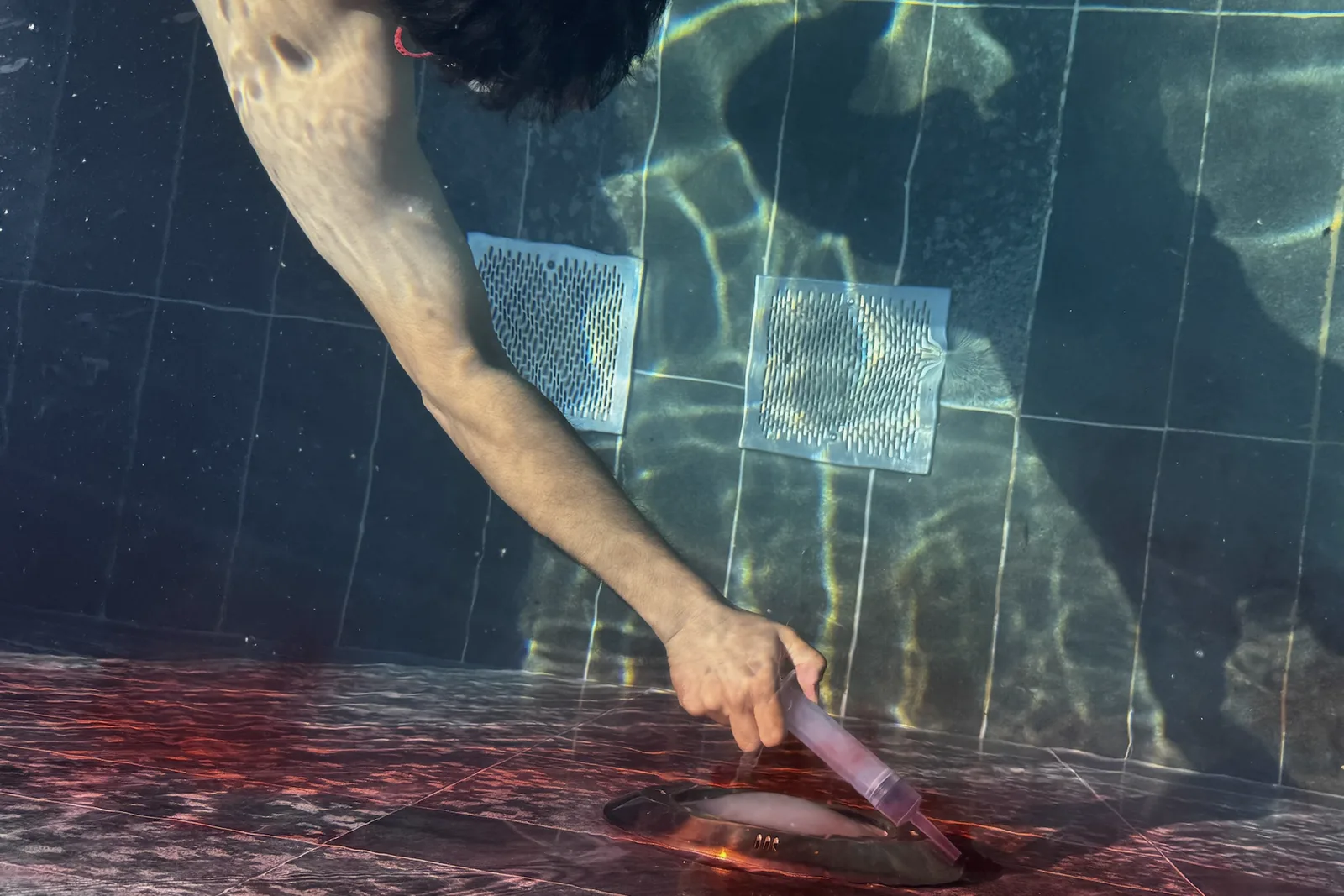
In the first residence, water consumption was high relative to how the house was being used. The pool itself showed no obvious change.
An automatic top-up system was replacing the lost water and holding the level. Because the pool always looked full, the loss behind it was hard to notice. The only symptom reaching the owner was rising consumption.
On site, consumption history, the way the system operated and controlled level observations were assessed together. Fittings in the pool shell were checked one by one with a dye test. Water loss was observed in the balance tank; visible cracks and separate maintenance needs were recorded.
The question in front of the owner became concrete: which area required intervention, which points needed further investigation, and what would be re-checked after the repair.
The record also documented the condition before any work began. Once the repair was complete, a check under the same conditions could serve as the basis for judging the result.
In the other house, water was leaving marks inside
In the second residence, the signs were damp and surface deterioration. The visible damage alone did not explain where the water was coming from.
During the inspection, the water meter showed no movement. That did not rule out every plumbing possibility, but it meant the investigation also had to consider water entering from outside.
Moisture readings and on-site observation allowed the interior signs to be assessed together with conditions around the terrace and façade. The inspection was carried out with a civil engineer specialised in waterproofing, as the requested scope required. Findings were documented, and points needing further investigation were set apart.
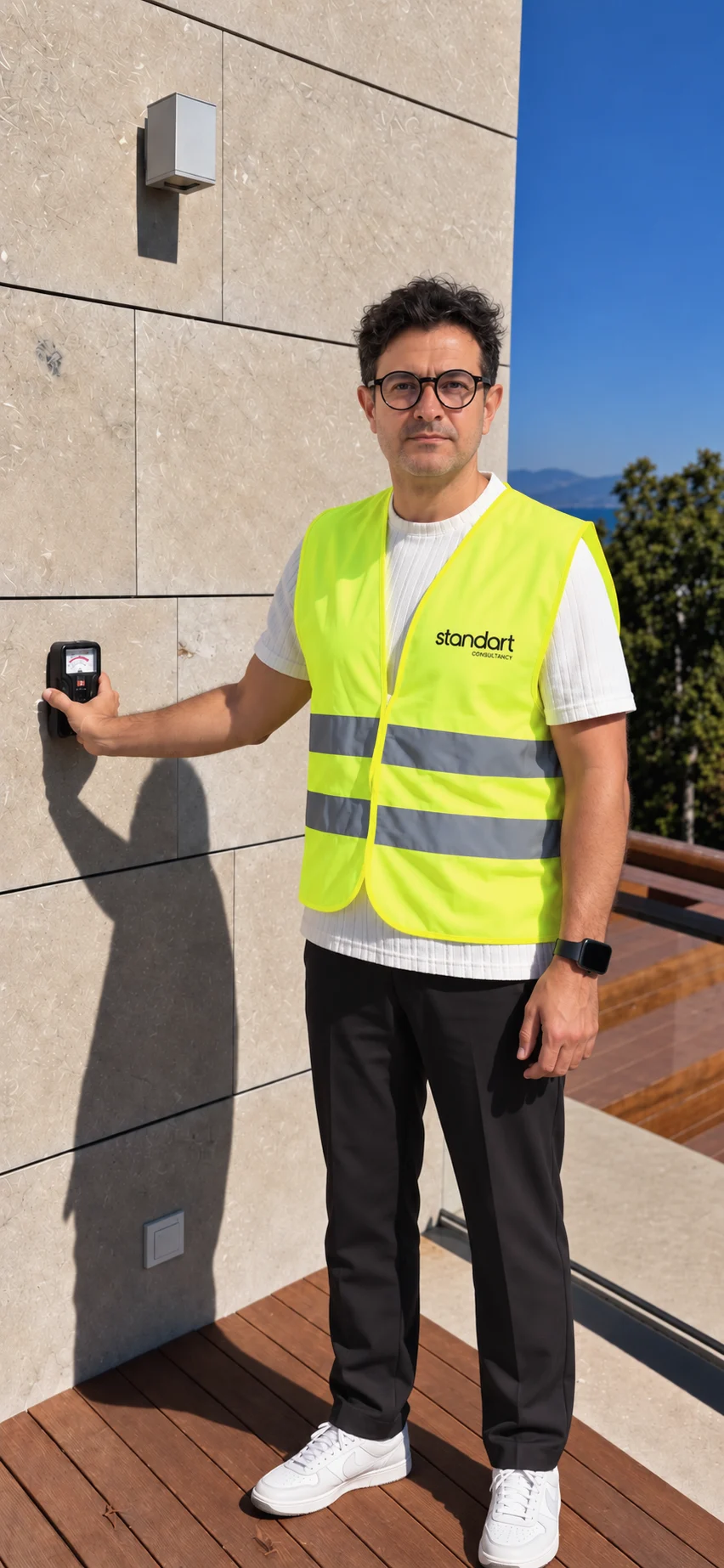
For the owner, the important conclusion was that the water’s route had to be established before any surface renewal. While the source remained active, new paint or cladding could meet the same problem again.
By separating what had been observed from what was not yet confirmed, the report showed what information the next expenditure should rest on. For someone deciding from a distance, that changed both the order and the scope of the work.
Independent inspection for the owner who is away
An owner who is away from the residence, an absentee owner, often has to decide on the basis of photographs, messages and quotations. The expectation is that things become clearer as information arrives; in practice, bringing different observations together is not always easy.
Which issue is urgent? Does the proposed intervention address the visible damage or its source? Once the work is done, how will the result be verified?
The same questions apply in branded residences. Common areas and daily services may run well, while the equipment, use conditions and maintenance needs inside the private residence still require their own assessment.
For an owner seeking a villa inspection or an independent residence inspection on the Aegean coast, the core need is reliable information to decide on. The observations of existing staff and service providers are a valuable part of that assessment.
Independent, third-party, and with specialists
The value of an independent inspection comes from clarity about whose behalf it is carried out on. Standart Inspection is a third-party inspection working on the owner’s side. It is carried out for the person making the decision, not for the contractor, supplier or operator who may do the work.
Each inspection is built around the area the owner asks to have examined. Façade and waterproofing, damp, pool and water systems, electrical or mechanical installations are inspected together with engineers and technical specialists in that field. The report states the inspection team and the role of each specialist.
Reporting is transparent: what was checked and by which method, measurement results, dated and photographed findings, and points that could not be checked, with the reasons, are written separately. Observed condition and unconfirmed possibility are never mixed. The report is signed by those who carried out the inspection.
What Standart Inspection gives you
Standart Inspection examines the current condition of the residence on site, within an agreed scope, and reports it with photographed findings, priorities and recommended steps.
The report explains what was checked, what was found and what the next step should be. Points that could not be checked and matters requiring specialist review are also stated.
With the report you can prioritise maintenance, direct your own team and compare quotations against a common scope. Independent inspection also supports cooperation with contractors: while a problem is being investigated, before handover and after the work.
From inspection to continuous oversight: Standart Residence OS
Standart Residence OS keeps inspection records, maintenance needs, open items and owner approvals in one place. The owner and the family office can follow what happens after the first report: which items are waiting, which are complete, which need re-inspection.
The maintenance and condition history built over time supports continuity in villa management and the protection of the residence as an asset.
Standart Inspection is a concrete starting point for Standart Consultancy’s independent Residence Oversight service. You can proceed with your own team on the basis of the report, or take support for following the resolution and re-checking completed work.
Frequently asked questions
On whose behalf is an independent villa inspection carried out?
On behalf of the owner or an authorised representative, such as the family office. It is independent of the contractor, supplier and operator.
Which areas can be inspected?
Scope is set by the request: water loss and pool systems, damp and waterproofing, façade, electrical and mechanical installations, or general condition before handover. Specialist engineers are involved where required.
What does the report contain?
Points checked and methods used, measurements, dated photographed findings, priorities, recommended steps, points that could not be checked, and the signatures of those who carried out the inspection.
Can the inspection take place while the owner is away?
Yes. Access is arranged through a person the owner designates; findings and the report are shared remotely. Re-inspection after the work can be arranged if needed.
A closing note
In these two houses, water took different paths. Inspection on site allowed both owners to base their next decision on firmer information.
To discuss the scope of an inspection for your residence, or to see an anonymised sample report, get in touch with Standart Consultancy.
To know the true condition of your own residence — before the season, before renovation or at handover: Standart Inspection →