In tourism, value has long been expressed in the language of numbers: investment volume, sales figures, occupancy rates, seasonal performance, annual revenue.
This language is still necessary; however, it is not sufficient to create a luxury destination.
The true value of a region lies not merely in the turnover it generates in a given year, but in the impression it leaves on people, its ability to inspire a desire to return, and its capacity to foster a sense of belief, community and culture around itself over time.
For this reason, the north of Bodrum should not be viewed today merely under the headings of property or tourism. There is a deeper threshold here: how a coastal region can generate lasting ‘brand value’ through the right architectural philosophy, a commitment to sustainability, marina life, art, well-being, harvest culture and selective capital.
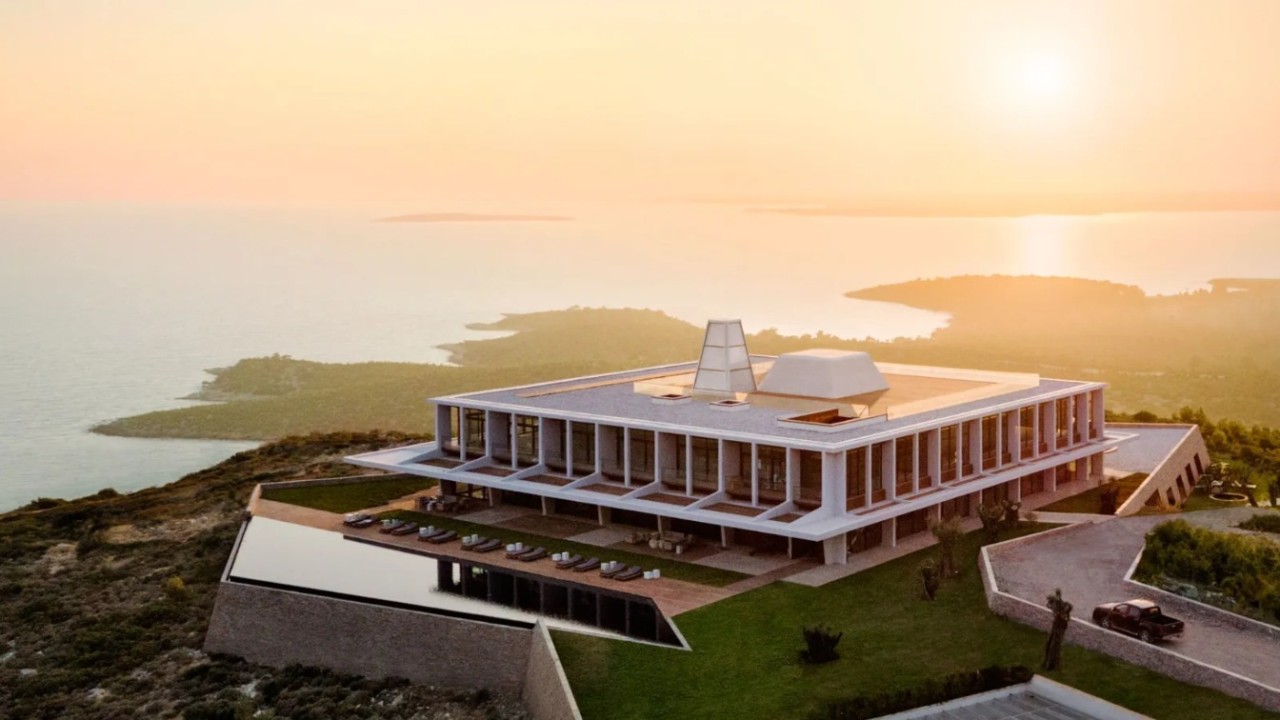
Kaplankaya serves as a significant example in this regard.
For here, the issue is not merely about housing, hotels, beaches or investment. The issue is about a place establishing its own identity. To put it more plainly: it is not merely about constructing a destination, but about preserving it over time, giving it meaning, and consistently upholding the value system it represents.
At this point, the concept of the ‘master developer’ becomes critical.
In large-scale destination projects, the founding role is not merely that of the actor who develops the land or completes the buildings. The founding actor is also the guardian of the concept, the design and the master plan. For as the scale grows, so does the danger: the place’s identity may become fragmented, the architectural language may fall apart, and commercial decisions may erode its long-term spirit.
This is precisely the crux of the matter in enduring destinations.
To preserve as much as to develop.
To guide as much as to sell.
To remain selective as much as to grow.
To create meaning as much as to be visible.
For the north of Bodrum, the concept of longevity therefore takes centre stage.
Longevity is no longer merely a concept serving individual lives. It is a destination’s ability to withstand the test of time—culturally, environmentally, architecturally and economically—alongside its people. It is the preservation of nature without exploitation; architecture that converses with the landscape rather than dominating it; investment that generates long-term value rather than short-term glamour; and a quality of life that does not erode over the years.
Within this framework, ‘sustainability’ ceases to be merely a buzzword.
True sustainability is the capacity to consider a region’s natural resources, water cycle, soil, landscape, local production, architectural density and social fabric as an integrated whole. Sustainability is validated not merely by technical reports, but by daily life itself.
This is why harvest culture is such a valuable concept.
‘Harvest’ should not be viewed merely as an event or a gastronomic theme. It is a deeper form of relationship forged with the land, olives, grapes, local producers, seasonal rhythms, table culture, knowledge of nature and human well-being. It removes luxury from being merely an imported décor and anchors it to a culture rooted in the land.
Once this connection is established, the destination ceases to be merely a place to be consumed; it transforms into a place to be learnt about, shared and, over time, embraced.
This is where Kaplankaya’s true value begins: architectural philosophy, well-being, a delicate relationship with nature, marina life, culture, a discerning community and a long-term vision for the destination all converge within the same framework.
In this context, a marina is not merely an infrastructure where boats are moored.
When properly conceived, a marina becomes one of the cornerstones of maritime culture, international access, social interaction, encounters and the destination economy. It opens up the coastline not just to scenery, but to movement, connection and a discerning rhythm of life.
Architecture, too, does not merely produce buildings.
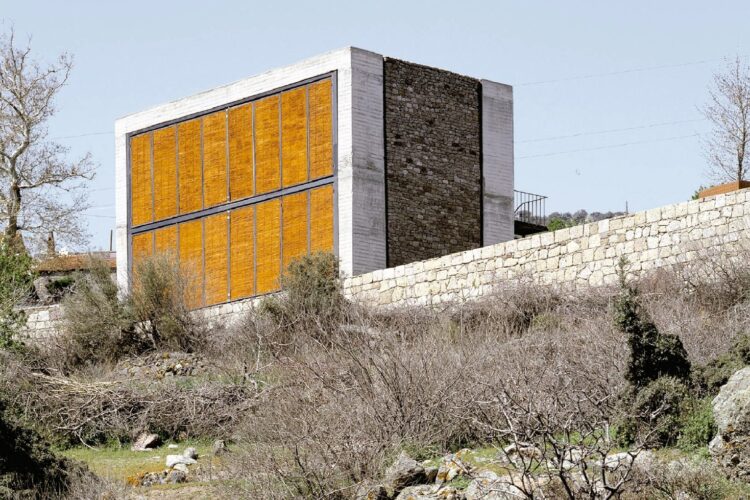
The right architectural philosophy redefines the relationship between people and light, wind, stone, topography, the sea and privacy. A building exists not in spite of nature, but by engaging with it. Such an architectural language shifts the focus from a loud display of luxury to a quiet sense of place.
Art, however, is not merely a decorative layer in this equation.
Art is one of the most powerful tools for establishing a destination’s intellectual level, cultural self-confidence and international language. If art is truly at work in a place, that place does not merely look beautiful; it generates thought, carries memory, is discussed and passed on.
From this perspective, the contribution that Brundyn Arts can make through a cultural approach in the north of Bodrum is significant. When art is placed in the right context, it connects the destination to a more discerning, deeper and more international narrative. It does not merely adorn the space; it enhances the place’s intellectual capital.
Today’s discerning investor or property owner is no longer simply buying square metres.
They are investing in a way of life, a value system, a community and a long-term belief. For this reason, private residences should not be regarded merely as passive assets. When properly represented, when matched with the right guest profile, and when contributing to the economy without undermining the destination’s core concept, a high-value stock of private residences can become a strategic activation area for the region.
Here, In Residence By Pieter Brundyn can position itself as a new and meaningful player. Whilst the global philosophy of luxury villa rental markets an unforgettable experience rather than just a villa, some properties are rented specifically for the works of art within them.
In Residence’s selective villa representation on an international scale and its rental pool approach can elevate private residences in northern Bodrum beyond the conventional logic of lettings. The issue is not merely bringing a property to market; it is about integrating the right property into the destination’s economy with the right narrative, the right guest, the right representation and the right standard of experience.
This approach views properties not as a simple inventory added to a hotel’s capacity, but as a living portfolio that enhances the destination’s quality, community and international reach.
Third-party firms delivering above-standard service, specialist service providers and structures that bring operational discipline to this ecosystem are not secondary elements. On the contrary, they are integral components that must be supported.
This is because a destination’s long-term value is not safeguarded solely by the master developer, the architectural concept or the brand promise. That value is determined by how the homes are lived in, how guests are hosted, the discipline with which service providers operate, how privacy is safeguarded, the sense of trust with which family offices can monitor operations remotely, and how each home is maintained without compromising the destination’s overall concept of quality.
For this reason, Standart Residence OS has embarked on a journey towards its own home, at the right time and in the right location.
Standart’s role here should not be reduced to a narrow narrative of maintenance or day-to-day operations. A more accurate description is this: Standart is the system layer that establishes the sustainability of inhabited homes.
This is because a destination’s brand value is not formed solely at the time of the initial sale, during the first season or in the first architectural photograph. That value is preserved by how the homes are lived in over the years, how they are represented, which service standards they adhere to, how privacy is safeguarded, how family offices place their trust in them, and how the properties maintain a sense of long-term quality.
On the one hand, Kaplankaya’s vision for the destination and its architectural language; on the other, sustainability, longevity and harvest culture; on the one hand, marina life and the international connections forged with the sea; on the other, the cultural depth of Brundyn Arts; on the one hand, In Residence’s ability to curate a selective rental portfolio; and on the other, Standart’s contribution to the sustainability of these living homes.
A new chapter in the north of Bodrum begins precisely at this intersection.
This is not a matter of building more structures.
Nor is it a quest for greater visibility.
It is certainly not merely about a stronger seasonal economy.
The real issue is which destination concept Turkey will represent within the Mediterranean basin.
If the answer is merely luxury, it falls short.
But if the answer encompasses architectural philosophy, a respectful relationship with nature, cultural depth, harvest culture, marina life, a discerning community, international trust, well-being, art, rental pool intelligence and the sustainability of residential properties, then the north of Bodrum could become the new intellectual threshold for Turkish tourism.
Because true brand value does not stem from mere glamour.
It stems from places with a philosophy, from communities that foster culture, from experiences that grow stronger over time, and from destinations that inspire a desire to return.
Standart Consultancy provides owner-side operating discipline for exceptional private residences in Türkiye and the Eastern Mediterranean.
Where a residence needs this kept day to day — staff, maintenance, readiness and reporting — Standart manages it directly or alongside the team already there: Residence Management →
Prefer to speak first? Book a discovery call →