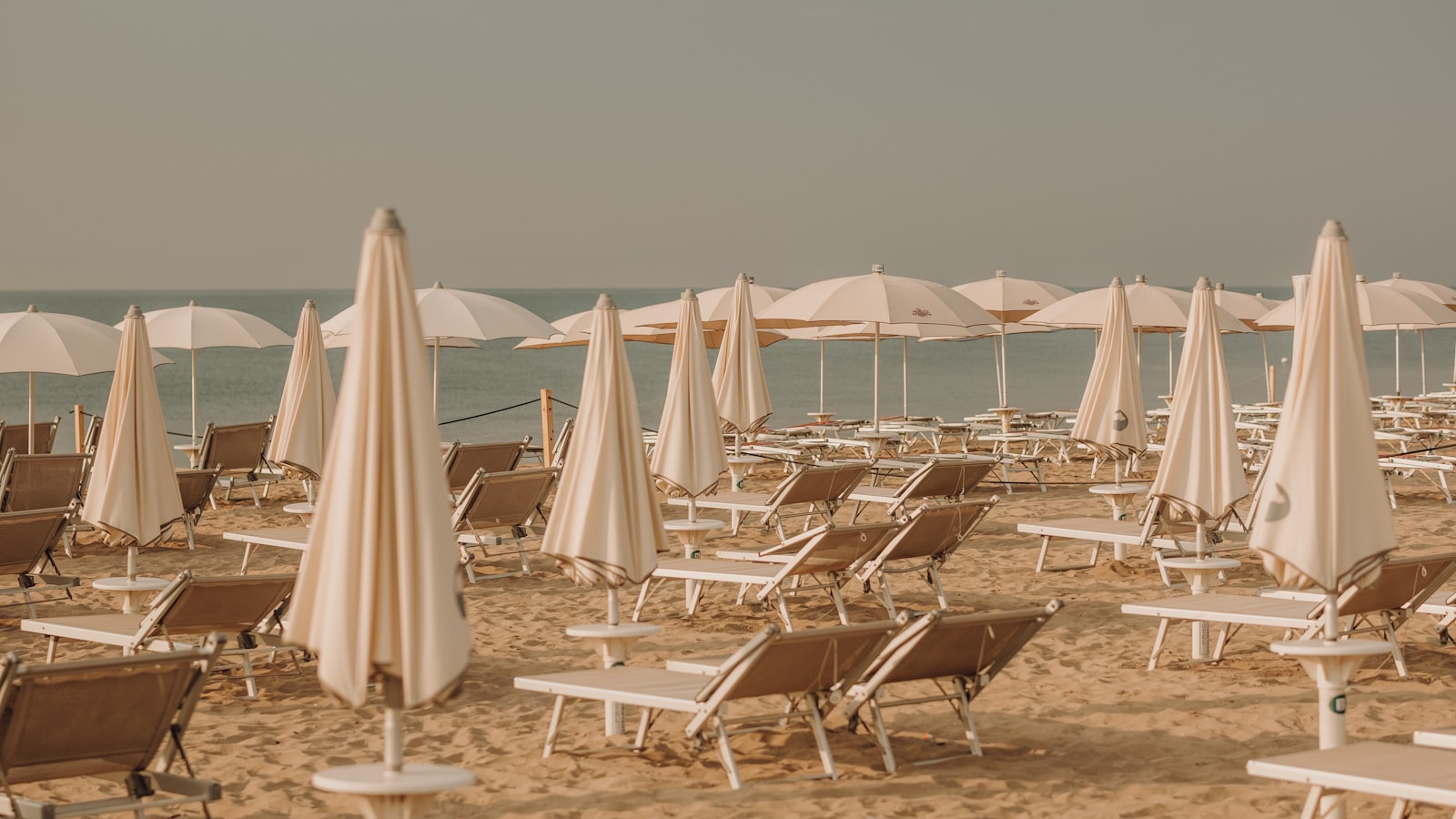
What a beach club’s silence says about building on the Aegean.
This month one of the loudest addresses on the Bodrum peninsula went quiet. Scorpios — the Mykonos-born beach club that had installed its sunset rituals on the grounds of Maxx Royal Bodrum — announced it was suspending operations. Municipal inspectors had reportedly fined the venue around 419,500 lira for exceeding noise limits; the operator disputes that any such fine was issued, and points instead to unresolved disagreements with its local partner. Behind the decibels, reports describe a season that started softer than expected, a host hotel that switched to an all-inclusive model, and a tenancy of some eighteen villas being called back. The hotel itself belongs to the group founded by Turkey’s culture and tourism minister — a detail that guaranteed headlines, and that we will leave exactly there.
Strip the names away and a familiar pattern remains. A global lifestyle brand arrives on a new coastline carrying a formula that worked elsewhere. The formula includes volume — literal and commercial. Then the location answers back: a municipality with noise regulations it intends to enforce, neighbours with expectations, a partner with a different season in mind. Whichever version of this summer’s story one believes, the outcome is the same: the formula paused; the coastline did not.
It is tempting to file this under nightlife and move on. But the same test is coming for far quieter arrivals. Bodrum currently carries more branded-residence projects than any resort destination in Europe — mansions, villas and managed homes trading under names built in other countries. Each arrives with imported standards, and each will eventually meet the local layer: zoning, environmental review, water rights, coastal setbacks, employment law, the neighbour who has been there for forty years. In Turkey, as anywhere, the brands that last are not the ones with the strongest formula. They are the ones that treat local regulation not as friction but as information — a description of what the place can absorb.
So: is it only about noise? The more useful reading is about attunement. It is not a coincidence that the peninsula’s most durable high-end story of the past decade has been the quietest one. At Kaplankaya, an hour from the beach-club circuit, the proposition was never volume; it was landscape, wellness and time — a place that this spring hosted the tenth edition of Harvest, a gathering whose entire premise is listening rather than broadcasting. One can debate individual projects. The direction is hard to debate: what endures on this coast is what tunes itself to the place, its seasons and its rules, rather than asking the place to adapt.
The same is true, at smaller scale, of a single private house. A residence also has a regulatory life — permits, inspections, environmental obligations, staff employed correctly, works documented and approved. Owners rarely see this layer until it fails, at which point it becomes the only layer they see. Part of what a serious operating discipline does for a private home is precisely this: it keeps the house in quiet, continuous agreement with the rules of the place it stands in, so that no summer is ever interrupted by a letter, an inspector, or a headline.
A beach club can pause a season and reopen somewhere else. A house cannot. It stays — which is why, on this coastline, the real luxury has never been being heard. It is being in tune.
— Standart Consultancy provides owner-side operating discipline for exceptional private residences in Türkiye and the Eastern Mediterranean.
Prefer to speak first? Book a discovery call →