A destination’s maturity shows in the months that are not on the brochure. Bodrum in winter is the season nobody books — and the one that decides whether the place is truly lived in, or merely visited.
Bodrum in August is a performance. The bays are full, the restaurants are booked, the coast is doing exactly what a famous destination is supposed to do. It is also, in a sense, the least revealing time to understand the place. The truth about a destination is not told by its high season. It is told by its low one — by what remains when the performance ends and the audience goes home.
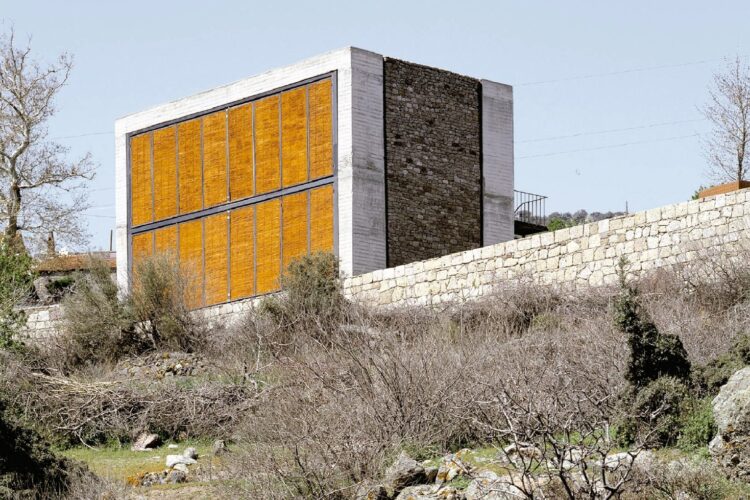
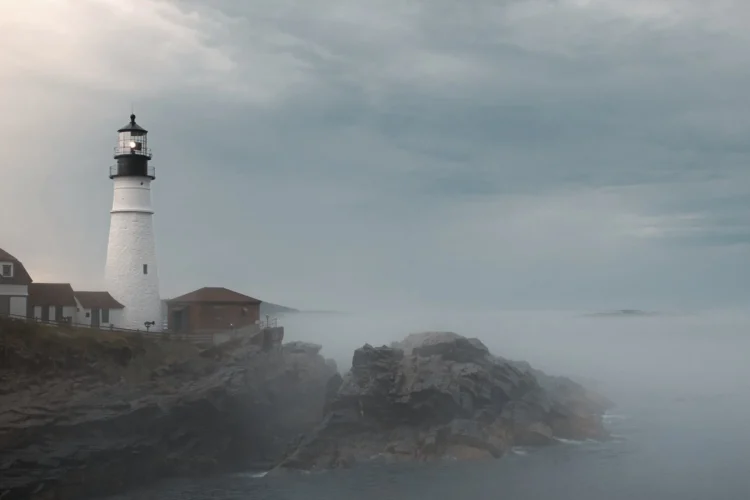
Bodrum in winter is the season nobody books. The light turns silver, the sea goes a deeper blue-grey, the olive trees stand against bare hillsides, and the coast empties of almost everyone who came for the summer. For most of its history this was simply the off-season: a few quiet months to be endured before the next performance. What is changing — slowly, and unevenly — is that more of the coast is being lived in through these months rather than abandoned to them. And that change matters more than any summer record, because it is the difference between a place that is visited and a place that is inhabited.
A destination consumed only in season is, economically and culturally, a thin thing. It generates revenue in a burst and then goes dark. Its homes are opened for a few weeks and closed for the rest. Its relationships are seasonal, its knowledge resets each year, and its sense of community never quite sets because the people who would form it are not there long enough. A place can be spectacular on these terms and still never become somewhere people belong.
What winter reveals is whether the deeper layer exists. Are there homes lived in through January? Is there a reason to return out of season — a landscape worth walking in the cold, a table worth keeping, a rhythm of life that does not depend on the crowd? Are there people building routines rather than holidays? These are the markers of a destination maturing from a backdrop into a home, and they are visible precisely in the months no one books.
For the private home, the winter question is sharper still, and it connects to something operationally true: a house kept in use does not rust. A residence lived in across seasons is healthier than one opened for a fortnight a year — its systems exercised, its faults found early, its character maintained rather than restored. Continuity, not occupancy, is what carries a home forward. The owners who return out of season, who let the house breathe through the quiet months, are not only living more fully; they are, almost incidentally, protecting the asset better than any summer-only schedule could.
There is a longer arc here. Destinations that endure are the ones that build memory, and memory is built through return — through recognising the same coastline in a different light, repeating a ritual in a different season, watching a place change while staying essentially itself. A coast that is only ever seen in August accumulates spectacle. A coast that is also known in February accumulates meaning. The first sells a holiday; the second earns a life.
None of this argues against the summer. The performance is real and worth having. But the measure of where Bodrum is going is not how full it is in August. It is how alive it is in the season nobody books — how many homes keep their lights on, how many people choose to return when there is nothing to perform for, and how much of the coast is quietly becoming a place to belong rather than simply a place to visit.
Standart Consultancy provides owner-side operating discipline for exceptional private residences in Türkiye and the Eastern Mediterranean.
Where a residence needs this kept day to day — staff, maintenance, readiness and reporting — Standart manages it directly or alongside the team already there: Residence Management →
Prefer to speak first? Book a discovery call →