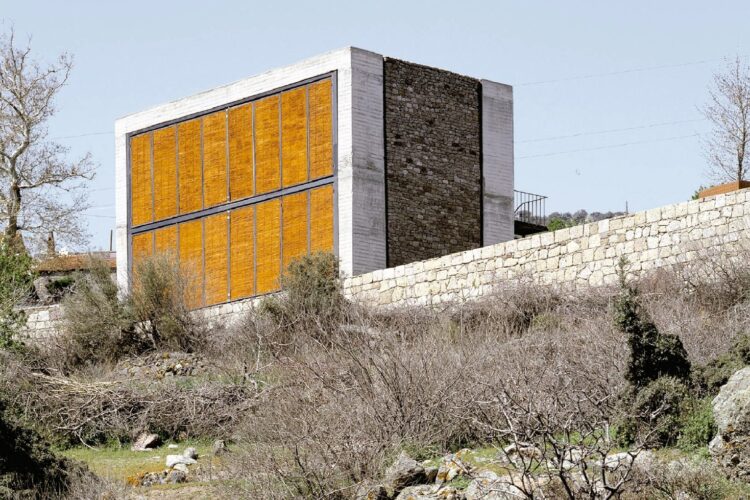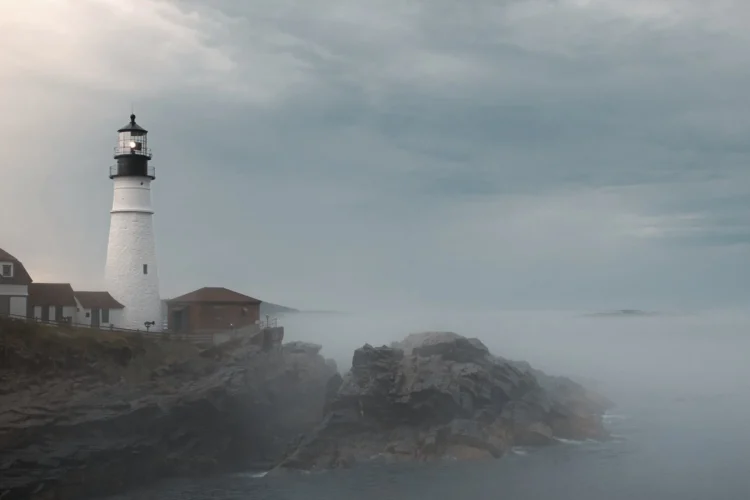
Stand on the Bosphorus at first light and you can read three centuries in a single line of rooftops. A few hundred yalıs remain on the water — timber houses built at the shore’s edge, some older than most of the world’s capitals. The Amcazade Hüseyin Paşa Yalısı has stood since 1699. It has outlived the empire that built it, two world wars, and every fashion in architecture since.
In the Ottoman centuries, the yalı was the most exclusive address the empire could offer: the summer houses of grand viziers and pashas, built where the garden ends and the current begins. Wood, water, salt, wind. Everything about a yalı is a negotiation with the elements, renewed daily.
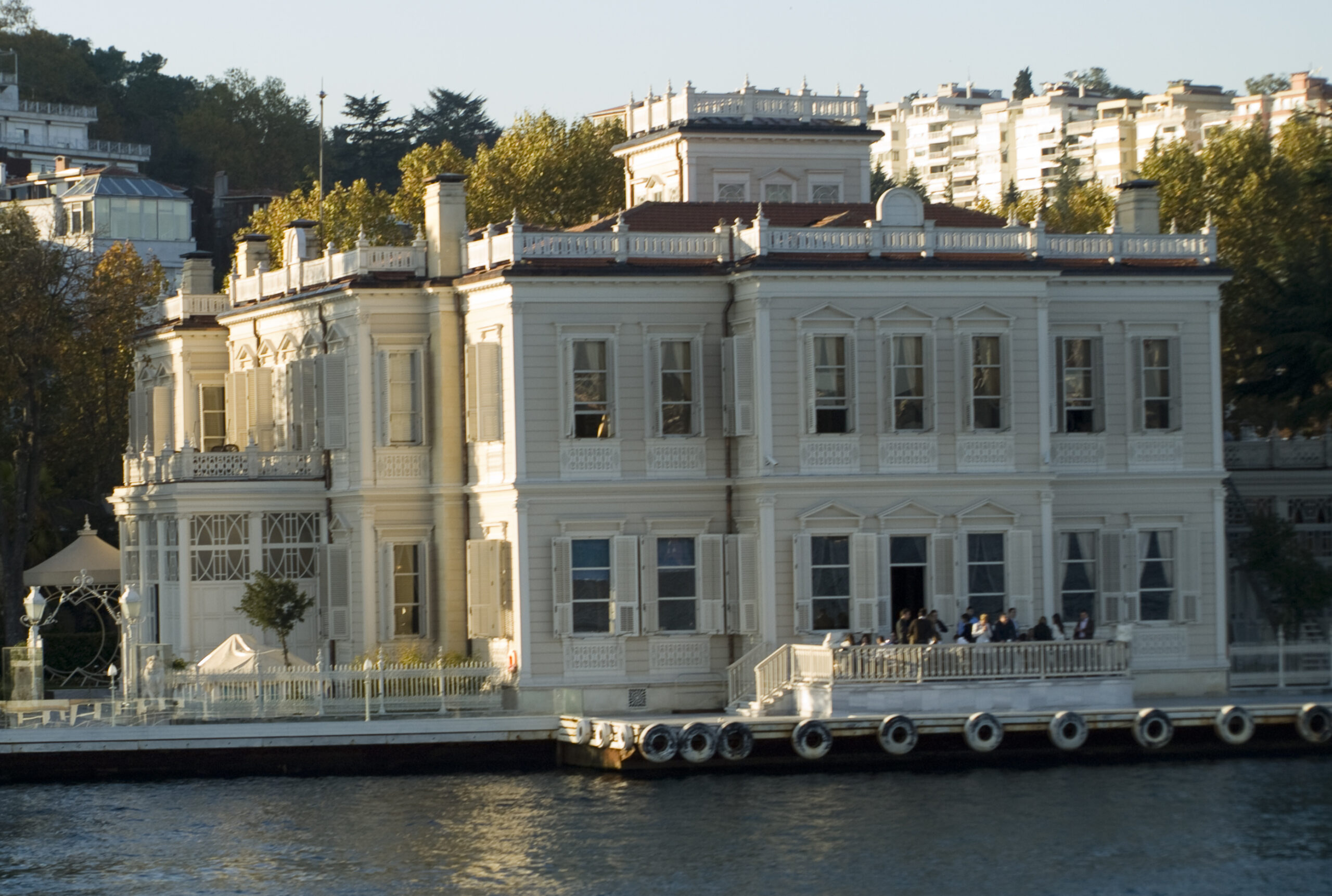
What is usually forgotten is that these houses were never merely owned. They were run.
A yalı household had a structure that would be recognisable to any modern operations professional. At its centre stood the kâhya — the steward. He knew the house: which beam took water in a south wind, which chimney drew badly, which tradesman could be trusted and which could not, what the household consumed, what it cost, and what the owner needed to know. Around him were kalfas, boatmen, gardeners, cooks — each with a defined place. The kâhya was not a servant in the decorative sense. He was accountability, continuity, and memory, embodied in one person.
The twentieth century was kinder to the houses than to the profession. Some yalıs burned — wood and neglect have always been a fatal combination on the Bosphorus. Some were subdivided, some restored, some sold and sold again. But the institution of the kâhya simply ended, and nothing institutional replaced it.
Consider what that means today. The most valuable private homes in Türkiye — houses that change hands for sums that would fund a museum — are, in operational terms, largely improvised. In Türkiye, “property management” means rental apartments and site fees. For the private house itself, and above all for the most demanding building type in the country — timber, at sea level, in salt air, facing the lodos head-on, with fire always one fault away — there is no profession, no standard, and no institution.
What exists instead is a familiar arrangement: one trusted caretaker, a cleaner, a handful of vendors nobody audits, and an entire operating reality that lives in a single person’s head. It can work for years. Then the person leaves, or ages, or is simply away in the wrong week — and the house loses its memory. Anyone who has taken over a great house after such a departure knows the silence that follows: no records, no history, no answers. The house stands, but it no longer speaks.
In London, this work has a name and a career path. In Monaco, in New York, household and estate management is a profession with standards, training, and institutional depth. In Türkiye, the country with some of the most demanding and most beautiful private houses in Europe, the category is missing. Not concierge services. Not cleaning. Not a security package. The missing discipline is residence operations: inspection routines that find the fault before the guest does, preventive maintenance that treats the building as a system, vendors who are held to scope and account, documentation that outlives any single employee, and reporting that gives the owner visibility without demanding the owner’s time.
A yalı makes the case more honestly than any brochure could. It is a machine that fights water every day of its life. It does not need admiration; it has had three centuries of that. It needs what it always had and quietly lost — someone who runs the house.
The question “who keeps the Bosphorus yalı standing?” once had a name as its answer. Today it should have a system: quiet, continuous, accountable. That is what we mean by residence operations — and it is the standard we are building in Türkiye.
Standart Consultancy provides owner-side operating discipline for exceptional private residences in Türkiye and the Eastern Mediterranean.
To know the true condition of your own residence — before the season, before renovation or at handover: Standart Inspection →
Prefer to speak first? Book a discovery call →